
.svg)
Most people think of plaque as something that only matters right before a checkup, but it actually starts forming again within hours of eating.
What you eat throughout the day plays a bigger role in that process than most patients realize, and it directly affects how much a professional cleaning can remove. Diet and plaque are closely connected, and understanding that connection can help you get more out of every dental cleaning near you.
You do not need a complicated diet overhaul to protect your smile, just a few practical adjustments paired with consistent, comprehensive dental care from a private, family-friendly practice that gets to know your habits.

How Everyday Eating Habits Shape Plaque Buildup
Plaque is a soft, sticky film of bacteria that forms on your teeth constantly. It is not a sign that something is wrong on its own, but the food you eat determines how quickly it grows and how much damage it can cause.
Sugary and Starchy Foods Feed Plaque Bacteria
Sugar itself does not harm your teeth directly. Bacteria living in plaque feed on sugar and starch, then release acids that wear down enamel over time. Candy, soda, white bread, and crackers all break down into sugars that plaque bacteria use as fuel.
Snacking often throughout the day gives plaque more chances to produce acid, which is why grazing can be harder on your teeth than eating the same food in fewer sittings.
Sticky foods deserve extra attention, too. Caramel, dried fruit, and even gummy snacks tend to cling to the grooves of your teeth long after you finish eating, giving bacteria extended access to that fuel source and more time to produce acid.
Acidic Foods and Drinks Can Wear Down Enamel
Separate from sugar, acidic foods and beverages can soften enamel on their own. Citrus fruits, coffee, wine, and many sodas fall into this category. Frequent exposure, especially when sipped slowly, keeps enamel weakened longer, making it easier for plaque to stick. This does not mean avoiding these foods entirely, just being mindful of how often and how long your teeth are exposed to them.
Foods and Habits That Support a Healthier Smile
Just as some foods work against your smile, others actively help protect it. Building more of these into your everyday routine, alongside a consistent brushing habit, can ease some of the daily wear your teeth experience.
Crunchy Produce and Dairy Work in Your Favor
Crunchy fruits and vegetables, such as apples, carrots, and celery, have a naturally cleansing effect as you chew. They will not replace brushing, but they help dislodge food particles and stimulate saliva. Dairy products like cheese and plain yogurt are also worth including regularly, since they contain calcium and phosphates that support enamel strength.
- Crunchy fruits and vegetables that encourage saliva flow
- Cheese and plain yogurt for calcium and phosphates
- Water as a rinse between meals and snacks
Water and Saliva Play a Bigger Role Than You Think
Saliva is one of your mouth's best natural defenses. It washes away food debris, neutralizes acid, and delivers minerals that strengthen enamel. Drinking water throughout the day supports saliva production and rinses away sugars and acids between brushings.
Choosing water over sugary or acidic drinks between meals is one of the easiest habits to adopt. Patients wanting extra enamel support sometimes benefit from professional fluoride treatments, which pair well with good hydration.
What a Professional Cleaning Can Do That Brushing Cannot
Even with a solid diet and a good brushing routine, there are limits to what you can accomplish at home on your own. This is where professional cleaning, using modern dental technology, becomes essential rather than optional for every family member.
Plaque vs. Tartar: Why the Difference Matters
Plaque that is not removed regularly can harden into tartar, also called calculus, within days. Once plaque hardens, brushing and flossing at home will not remove it.
Tartar has a rough surface that attracts even more plaque, creating a cycle that can lead to gum irritation if left unaddressed. A routine dental exam allows your dentist to catch early warning signs, including the kind of decay that sometimes requires dental fillings.
What Happens During a Routine Cleaning Visit
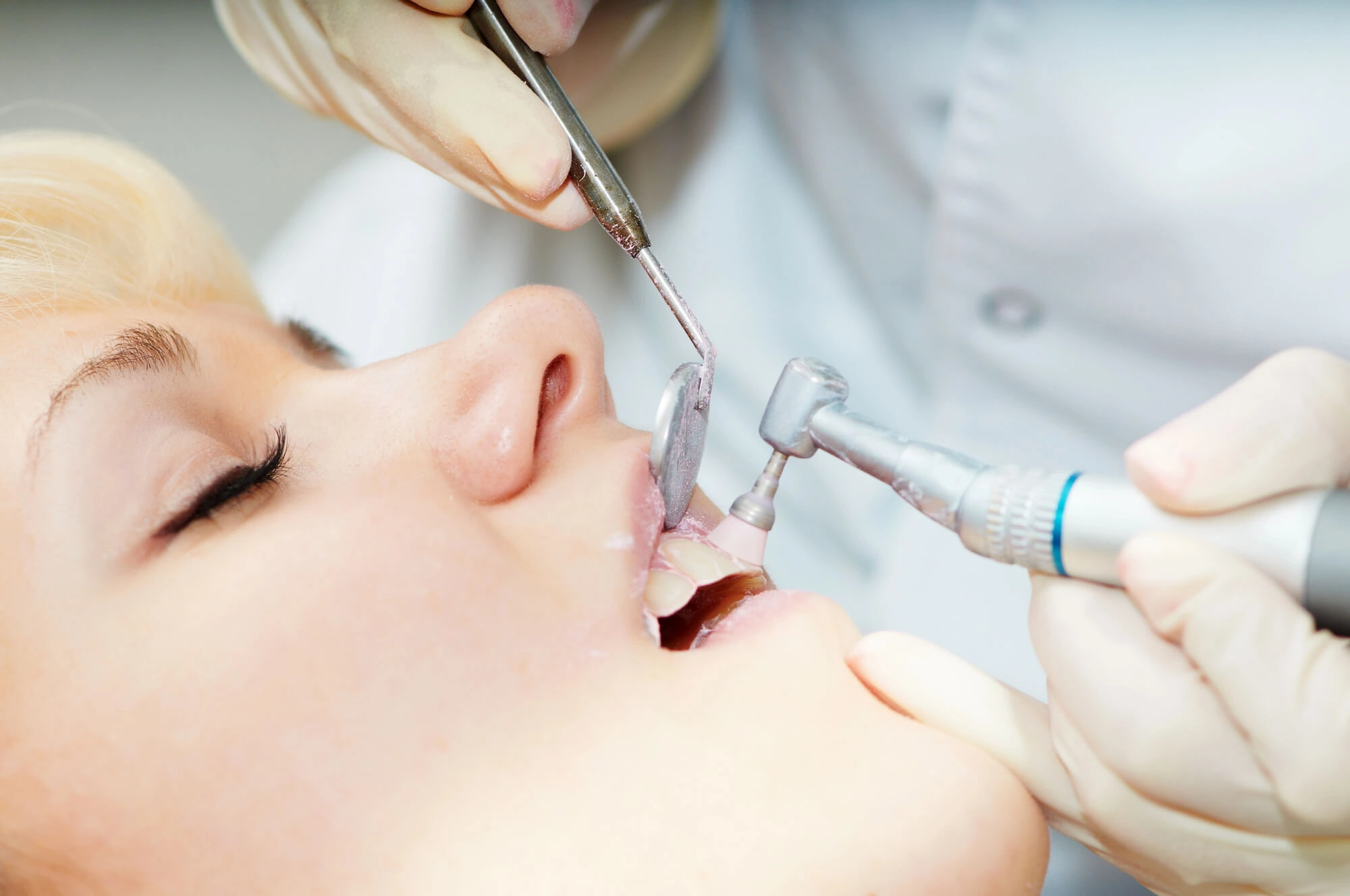
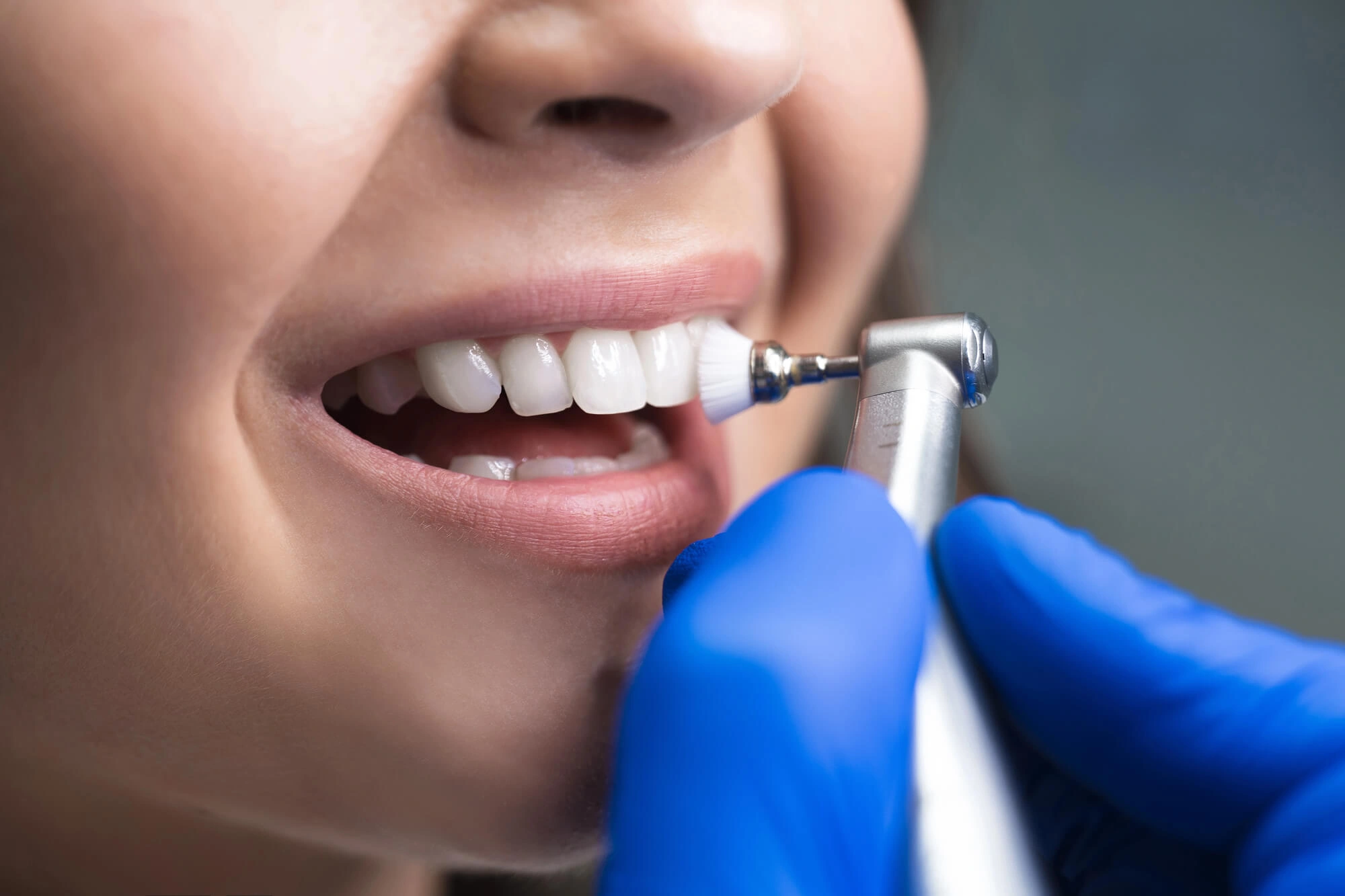
During a cleaning, a hygienist uses specialized tools to gently remove tartar from above and below the gumline, areas a toothbrush cannot reach. Teeth are then polished smooth, making it slightly harder for new plaque to stick.
Many patients also use the visit to ask about diet or sensitivity changes. If it has been a while, this guide on why your first appointment matters walks through what to expect.

Frequently Asked Questions
How often should I get a professional cleaning?
Most patients benefit from a cleaning about twice a year, though your dentist may suggest a different schedule based on your gum health, diet, and overall habits.
Can a cleaning remove stains from coffee or wine?
Routine polishing helps reduce surface stains, though patients looking for a brighter result sometimes also ask about professional whitening options.
Will changing my diet mean I need fewer cleanings?
A tooth-friendly diet supports your oral health, but it does not replace regular professional cleanings, since tartar cannot be removed at home.
Is it normal for gums to bleed a little during a cleaning?
Some mild bleeding can happen, especially if plaque has built up along the gumline, and it typically improves as your gum health does.
Schedule a Dental Cleaning Near You at O'Shea Family Dental
Your daily food choices and your professional cleanings work together to keep your smile healthy. Small, realistic changes to your diet ease daily wear, while consistent cleanings address buildup that home care cannot reach.
Dr. O'Shea and our team are happy to talk through your habits and answer questions at your next visit, and same-day appointments are available for families who need to get in sooner. If it has been a while since your last checkup, get in touch with our Roswell office to find a dental cleaning near you that fits your schedule.

Went in with a broken tooth
Based on his advice ended up doing an extraction due to the existing tooth condition
Was in and out in no time with no pain during the procedure
Happy to recommend!
I went to my first O'Shea family dental appointment and am absolutely thrilled to have my new family dentist. Dr. Shea is AWESOME. Extremely friendly and ridiculously thorough. Just a wonderful appointment. Beautiful, sparkling clean modern office also
I’ve been a patient of Dr. O’Shea’s for several years now, and I couldn’t be more impressed with his new office! The space is absolutely beautiful. Dr. O’Shea is attentive, thorough, and genuinely cares about his patients. This new office is a perfect reflection of the high standard he sets. I highly recommend Dr. O’Shea to anyone looking for excellent care.


.svg)
.svg)
%201.svg)