
.svg)
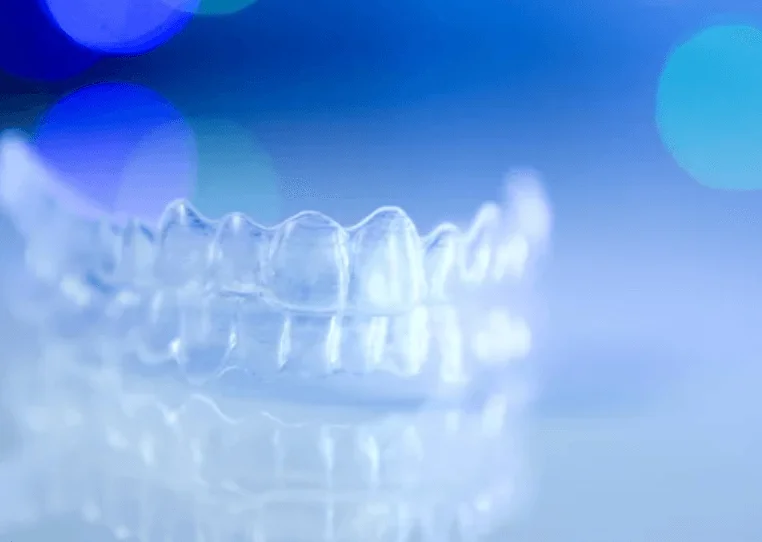
Waking up with a sore jaw or tightness around your face can be frustrating, especially when you thought you slept peacefully through the night. Often, the culprit is teeth grinding, also known as bruxism. Many people don’t even realize they do it until a dentist points it out or jaw pain becomes hard to ignore. Fortunately, nightguards for teeth grinding can offer real relief. Understanding what causes grinding, what signs to look for, and how to protect your teeth can help you finally wake up without discomfort.
.webp)
Why Jaw Pain Happens While You Sleep
The Hidden Effects of Grinding and Clenching
Teeth grinding often happens subconsciously, usually during sleep or times of stress. The repetitive pressure of clenching your teeth can strain the jaw muscles, wear down enamel, and even cause small fractures over time. This leads to morning stiffness, headaches, and sometimes ear or neck pain. If untreated, the habit can affect not just your teeth, but your overall oral health. Grinding can even change the shape of your face over time, giving the jaw a tense, fatigued look.
Common Triggers Behind the Habit
Several factors can contribute to nighttime grinding. Stress and anxiety are common causes, but other triggers may include misaligned teeth, sleep apnea, or certain medications. Even too much caffeine or alcohol before bed can increase the likelihood of clenching. Some people grind their teeth more during high-pressure periods, such as work deadlines or emotional transitions. Understanding what’s causing your grinding is key to finding long-term relief.
Signs You Might Be Grinding Without Knowing It
Because teeth grinding happens while you’re asleep, it’s not always obvious. Look out for symptoms like:
- Tight or sore jaw muscles in the morning
- Worn-down or flattened teeth
- Unexplained headaches or earaches
- Tooth sensitivity
- Clicking sounds when opening your mouth
If these signs sound familiar, it’s time to bring them up during your next dental visit.
How Nightguards Help Stop the Pain
What Exactly Is a Nightguard?
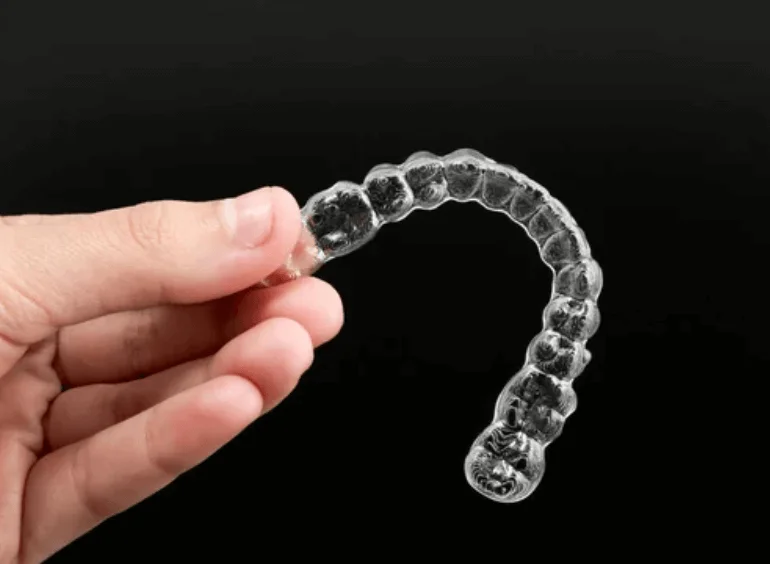
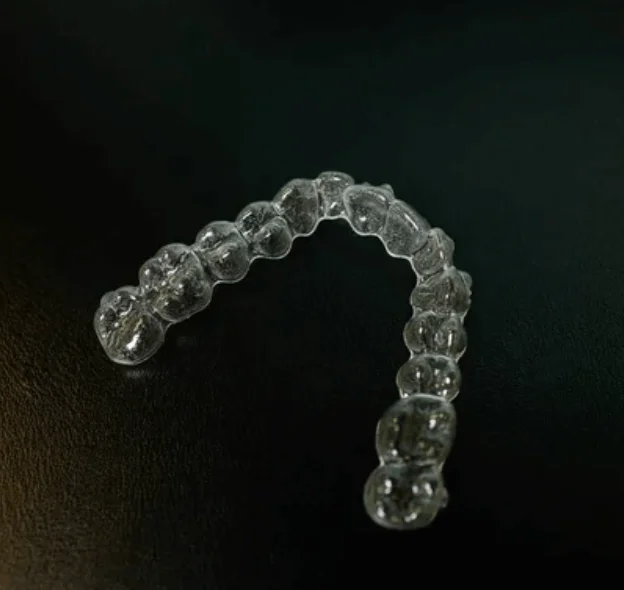
A nightguard is a custom-made oral appliance that fits over your upper or lower teeth. It acts as a protective barrier, absorbing the pressure from grinding and preventing direct contact between your teeth. This helps reduce strain on your jaw muscles and prevents further damage to your enamel.
Types of Nightguards
There are several options for nightguards, each designed for different levels of grinding and comfort preferences:
- Soft nightguards: Made from flexible materials, these are ideal for mild grinders who want a gentle fit.
- Hard nightguards: Crafted from durable acrylic, these are perfect for heavy grinders who need strong protection.
- Dual-laminate nightguards: A combination of soft interior and hard exterior, offering both comfort and durability.
Your dentist can help determine which type best suits your needs. Over-the-counter options exist, but they often don’t provide the same level of protection or comfort as a professionally fitted guard.
How They Protect Your Jaw and Teeth
Nightguards don’t stop grinding entirely, but they reduce its harmful effects. The cushioning effect prevents enamel wear and muscle strain. They also keep your jaw aligned properly, reducing pressure on the temporomandibular joint (TMJ), which can ease morning soreness and tension. With consistent use, many patients notice a significant improvement within weeks.
Adjusting to Sleeping with a Nightguard
It’s normal for a nightguard to feel a little strange at first. Most people adjust within a few nights. To make the transition easier, wear it for short periods before bed and practice relaxing your jaw. Keep it clean by rinsing it after each use and storing it in a ventilated case. Proper care ensures it lasts longer and stays comfortable. You can also talk with your dentist about minor adjustments if it feels too tight or bulky.
Beyond the Nightguard: Additional Ways to Relieve Jaw Pain
Manage Stress and Tension
Stress is one of the most common reasons people grind their teeth. Incorporating relaxation techniques like deep breathing, yoga, or short evening walks can help release tension before bed. Creating a calm bedtime routine also signals your body it’s time to unwind. Listening to soothing music or journaling before sleep can also quiet the mind.
Watch Your Daily Habits
Avoid chewing on pens, ice, or hard objects that can strain your jaw. If you tend to clench during the day, set reminders to relax your jaw and keep your lips together but teeth slightly apart. Staying aware of these small habits helps retrain your muscles to rest naturally. Also, stay hydrated. Dehydration can make muscle tension worse, including in the jaw.
Improve Your Sleep Environment
Grinding can worsen when your body isn’t resting well. Maintain a consistent sleep schedule, reduce screen time before bed, and keep your room dark and cool. Limiting caffeine and alcohol in the evening can also reduce muscle activity during sleep. Even upgrading your pillow to one that supports your neck properly can make a big difference in how your jaw feels in the morning.
When to Talk to Your Dentist
If jaw pain persists despite using a nightguard, schedule an appointment with your dentist. You may need an adjustment to your guard or further evaluation for conditions like TMJ disorder. Your dentist can also check for signs of enamel wear or gum irritation and recommend additional treatments if needed. Early intervention prevents long-term damage and keeps your smile strong.
Building a Long-Term Plan with Nightguards for Teeth Grinding
Long-term relief from jaw pain starts with consistent prevention and professional care. Working closely with your dentist ensures your nightguard fits properly and functions as it should. Over time, you may find that grinding lessens as your muscles relax and your stress levels improve.
Many patients who use nightguards for teeth grinding report better sleep, reduced headaches, and an overall improvement in comfort. Combining the device with lifestyle adjustments makes a noticeable difference. You’ll wake up refreshed, pain-free, and confident that your teeth are well protected.
Ready to take control of your jaw pain? Schedule a visit with O'Shea Family Dental today to get fitted for a custom nightguard and discover the lasting comfort of a healthier, more relaxed smile.

Went in with a broken tooth
Based on his advice ended up doing an extraction due to the existing tooth condition
Was in and out in no time with no pain during the procedure
Happy to recommend!
I went to my first O'Shea family dental appointment and am absolutely thrilled to have my new family dentist. Dr. Shea is AWESOME. Extremely friendly and ridiculously thorough. Just a wonderful appointment. Beautiful, sparkling clean modern office also
I’ve been a patient of Dr. O’Shea’s for several years now, and I couldn’t be more impressed with his new office! The space is absolutely beautiful. Dr. O’Shea is attentive, thorough, and genuinely cares about his patients. This new office is a perfect reflection of the high standard he sets. I highly recommend Dr. O’Shea to anyone looking for excellent care.


.svg)
.svg)
%201.svg)